Skip to content

Island Vibes Hilton Head

  • Home
  • Things to Do
  • Beaches
  • Eat & Drink
  • Where to Stay
  • Plan Your Trip
  • Events Calendar
  • About

  • Best Fishing Charters in Hilton Head (Inshore & Offshore)

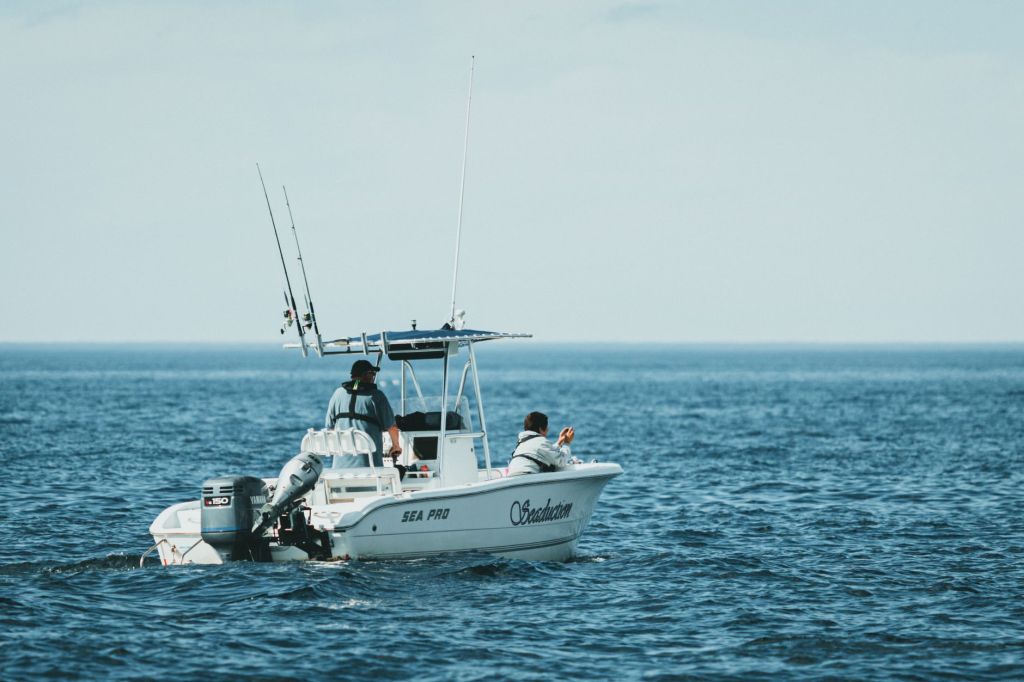
    Fishing in Hilton Head Island, South Carolina splits into two very different products, and mixing them up is how visitors compare the wrong prices. A shared head boat costs about $89 per person. A private charter costs roughly $375 to $650 per boat for a 3- to 4-hour inshore trip, with the whole boat — usually up to six people — yours for the trip. In October, the private inshore trip is the one locals would pick: fall is peak redfish season in the creeks, speckled trout are active, and there are fewer boats on the water than in summer.

    What does a fishing charter in Hilton Head cost?

    Ask one question first: is the price per person, or per boat?

    Shared boats (price is per person):

    • Half-day offshore head boat: from $89 per person for about 4.5 hours, free cancellation, on a group boat carrying up to roughly 40 travelers
    • 3-hour inshore shark trip: from about $75 per person

    Private charters (price is per boat, for your group only):

    • Island Head, 4 hours: $637 for the whole boat, up to 6 people, gear and licenses included (full rate card below)
    • Smaller inshore operators: 3-hour trips from about $450 to $550; 4-hour trips around $550 to $650
    • Lowest private starting prices on FishingBooker’s Hilton Head index: from about $375 per group; a premium Viator family trip runs $795 per group for 3 hours

    Rule of thumb: if a price looks startlingly cheap for a “charter,” it is almost certainly a per-person seat on a shared boat — or a stale listing. One search snippet still shows $199 for an Island Head charter; that figure is out of date.

    Which type of trip should you book?

    1. Best private all-rounder: Island Head

    • Price: 3 hours $530 / 4 hours $637 / 5 hours $776 / 6 hours $910 / 8 hours $1,204 — all per boat, up to 6 people
    • Boat: 21-foot Parker center console
    • Included: fishing license, rods, reels and tackle, lures, live bait, and catch cleaning and filleting

    Island Head’s rate card is the cleanest on the island: one price for the boat, everything included, catch cleaned at the dock. Split four to six ways, the $637 4-hour trip works out to roughly $106–$159 per person — close to head-boat money, for a private boat. Solo anglers and pairs usually get better value from the shared boats below.

    2. Best budget option: the shared head boat

    • Price: from $89 per person, about 4.5 hours offshore
    • Group size: up to roughly 40 travelers
    • Good to know: free cancellation on the main Viator listing; gear, bait and license included

    A head boat (party boat) sells individual seats on a large vessel heading offshore — the lowest per-person price on the island, at the cost of company and a fixed plan: the boat follows its own schedule and spots, not yours. The 3-hour inshore shark trips, from about $75 per person, are the shared option aimed at families — shorter, closer to shore, and built around a shark at the side of the boat.

    3. Best for serious inshore anglers: a small private flats or bay boat

    • Price: typically $450–$650 per boat for 3–4 hours; group caps are smaller, often up to 4 on a 22-foot boat
    • Where they run: Broad Creek, Calibogue Sound, and the marsh creeks behind the island
    • Target species in fall: redfish (including the big schooling bull reds of October–November) and speckled trout

    Small-boat captains out of marinas such as Shelter Cove Harbour & Marina specialize in the creeks. A representative Shelter Cove rate card runs $450 for 3 hours and $550 for 4 hours on a 22-foot boat for up to four, with a larger 28-foot boat for up to six at $625 for 4 hours and $1,250 for 8 hours. If your goal is a redfish on light tackle rather than a cooler of offshore fish, this is the trip to book.

    Why is October such a good month for this?

    Fall is the Lowcountry’s best fishing window. Local guides name October–November as peak redfish season, with schools of bull redfish in the creeks and nearshore waters, good trout fishing, and fewer boats once summer ends. Mid-October sits right in that peak — though tides and weather still decide any given morning, so no captain can guarantee a bite. Good captains schedule around the tide, not the clock.

    Where do charters leave from?

    Boats depart island-wide: Shelter Cove Harbour & Marina and Broad Creek mid-island, Hilton Head Harbor on the north end, and Harbour Town and South Beach inside Sea Pines Resort on the south end. Pick a departure near where you are staying.

    For Sea Pines departures: day visitors pay a gate fee of about $9–10 per car, valid all day, payable by cash or card; confirm any marina or gate arrangements with your operator when booking. If you eat inside Sea Pines afterward, many Sea Pines Resort restaurants credit or reimburse the gate fee on checks over $30 — keep your gate pass and mention it to your server.

    What is included, and what should you bring?

    Standard inclusions — confirmed on Island Head’s listing and typical across the island — are your fishing license, rods, reels and tackle, bait, and cleaning and filleting of your catch. Shared boats likewise include gear and bait, with licenses covered by the boat.

    Bring sunscreen, a hat, and polarized sunglasses; drinks and snacks (confirm the cooler policy when booking); a small cooler in the car for your cleaned fish; motion-sickness medication if you are prone; and a gratuity for the captain and mate, customarily 15–20% for good service.

    Is a Hilton Head fishing charter worth it?

    For a group, yes — one of the best-value paid activities on the island once the per-boat price is split, and fall is the strongest season for it. Solo anglers and pairs get better value on the shared head boat. Pair a morning charter with our guides to kayaking in Hilton Head, the best dolphin cruises in Hilton Head, parasailing in Hilton Head, and sunset cruises in Hilton Head, and check our 3-day Hilton Head itinerary for first-timers for how to sequence them.

    FAQ

    How much does a private fishing charter cost in Hilton Head in 2026?

    About $375 to $650 per boat for a 3- to 4-hour inshore trip. Island Head’s 4-hour trip is $637 for the whole boat for up to 6 people, with licenses, gear, bait, and fish cleaning included. Its 8-hour trip is $1,204 per boat.

    What is the difference between a head boat and a private charter?

    A head boat sells seats per person — from about $89 per person for a half-day offshore trip with up to roughly 40 people aboard. A private charter rents the whole boat to your group only, priced per boat.

    What fish can you catch in Hilton Head in October?

    Redfish, including large schooling bull reds, and speckled trout are the headline inshore targets; shark trips run inshore, and offshore boats target species depending on how far they run.

    Do you need a fishing license for a charter in Hilton Head?

    No separate purchase is needed — licenses are included on private charters such as Island Head’s and are covered by the boat on shared trips.

    How many people can go on a private charter?

    Most inshore private charters take up to 6 people; smaller flats and bay boats often cap at 4. Island Head takes up to 6. Larger groups need the shared head boat or a multi-boat booking.

    What happens if the weather turns bad?

    Captains cancel or reschedule for high wind, lightning, or rough water. Book early in your trip so you have days left to reschedule, and confirm the weather policy when you book.
    October 16, 2026

  • Parasailing in Hilton Head: What to Know

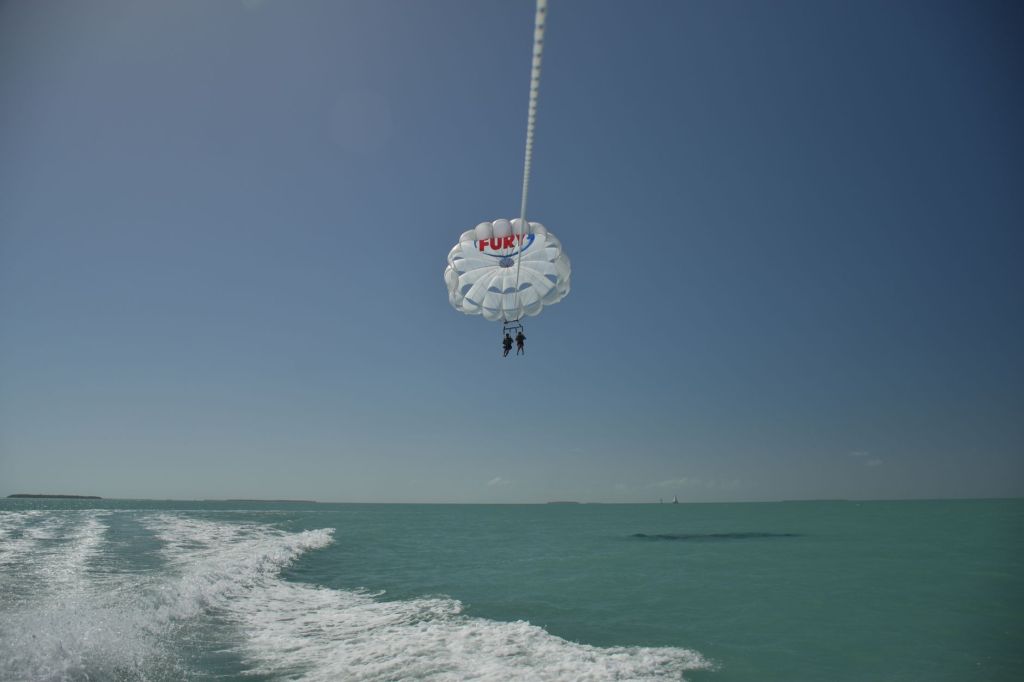
    Parasailing on Hilton Head Island, South Carolina is a 90-minute boat trip built around an 8- to 10-minute flight, and the clearest price on the island is Island Head’s direct rate: $95 per flyer and $49 per observer, departing Hilton Head Harbor on the north end. Two other established operators fly from Harbour Town and Broad Creek Marina. Expect calm, quiet time in the air — not a thrill ride — with views over Calibogue Sound, Daufuskie Island, and the Harbour Town Lighthouse.

    How does parasailing work here?

    You do not jump or launch from the beach. The crew fits you into a harness on the rear flight deck, the captain accelerates, and the canopy lifts you smoothly off the deck. The winch reels you back in to land standing on the same deck.

    • Flights last about 8 to 10 minutes per group
    • Most boats carry up to 12 passengers, and flyers go up in rotation
    • Total time on the water is about 90 minutes with a full boat
    • Tandem flights are standard; triple flights happen when wind and combined weight allow
    • You choose a dry landing or a brief dip in the water on the way down — tell the crew before you fly

    From a few hundred feet up, the marsh creeks braid through the green, sandbars show in Calibogue Sound, and dolphins are often visible from above before anyone on the boat spots them.

    What does parasailing in Hilton Head cost?

    This is where visitors get tripped up, so read prices carefully:

    • Island Head (book direct): $95 per flyer, $49 per observer
    • The same Island Head flight on reseller sites: about $102 per person on Expedia and GetYourGuide, and about $111 on Viator — you are paying a markup for the identical boat and flight
    • The “from $50” headline you may see on Viator: that is Sky Pirate Parasail’s observer ticket — the price to ride the boat and watch, not to fly

    The rule of thumb: a real flyer ticket costs about $95 in 2026. If a price looks far below that, check whether you are about to buy an observer seat. Observers still get the full boat ride and the best view of their flyers, but those seats are limited and sell out in summer.

    Which operator should you choose?

    1. Best all-around: Island Head — Hilton Head Harbor

    • Price: $95 per flyer, $49 per observer, booked direct
    • Departs: Hilton Head Harbor, 43 Jenkins Road, north end of the island
    • Flight: 8 to 10 minutes; about 90 minutes total on the boat

    Island Head flies a 31-foot Ocean Pro parasail boat with room for 12. Takeoff and landing happen on the flight deck, so nobody gets wet unless they ask for the dip. The flight path looks over Calibogue Sound toward Daufuskie Island, Harbour Town, and South Beach. Minimum age to fly is 6, and booking direct is the cheapest way onto this boat.

    2. Best south-end option: H2O Sports — Harbour Town

    • Departs: Harbour Town Yacht Basin, 149 Lighthouse Road, inside Sea Pines Resort
    • Flight: 8 to 10 minutes; about an hour on the boat depending on passenger count

    H2O Sports has run watersports out of Harbour Town since 1990, steps from the lighthouse. Flights run tandem or triple with a combined weight limit of about 450 pounds, an adult must fly with children under 12, and captains are U.S. Coast Guard licensed. Reservations are required.

    One planning note: Harbour Town sits inside Sea Pines Resort. Day visitors pay a gate fee of about $9–10 per car, valid all day, payable by cash or card. Many Sea Pines Resort restaurants reimburse or credit the gate fee when your check tops $30 — keep your gate pass and mention it to your server, which makes a post-flight lunch in Harbour Town an easy way to get the fee back.

    3. Best for height seekers: Sky Pirate Parasail — Broad Creek Marina

    • Departs: Broad Creek Marina, 18 Simmons Road, mid-island
    • Flight: up to about 500 feet on roughly 800 feet of line, per the operator

    Sky Pirate advertises the highest flight on the island, from a 12-passenger, Coast Guard-inspected boat based at Broad Creek Marina. The mid-island departure suits visitors staying near Shelter Cove or Palmetto Dunes, and the ride out crosses Broad Creek — good dolphin water — before reaching the sound. Remember the pricing note above: this operator’s low headline rate is an observer ticket, so confirm you have selected a flyer seat before you pay.

    Who can fly?

    • Minimum age: 6 with all three operators
    • Weight: single flyers generally need to weigh at least about 150 pounds, which is why children and lighter adults almost always fly tandem; combined tandem and triple weight caps out around 450 pounds
    • Kids under 12: fly with an adult at H2O Sports, and tandem with a parent or guardian is the norm everywhere
    • Health: not suitable if you are pregnant or have recent back, neck, or heart issues — ask the operator first if you are unsure
    • No experience needed: no swimming or steering; the crew handles everything

    When is the best time to parasail?

    Morning. Winds over Calibogue Sound are usually calmest early, and the light over the marsh is at its best. Afternoon summer thunderstorms are the main cause of delays, so a morning booking early in your trip leaves room to rebook if weather intervenes. Captains cancel for high wind, lightning, or rough water — ask about the reschedule and refund policy when you book. Spring through fall is the main season; winter schedules shrink, so call ahead.

    What should you bring?

    • Swimsuit or clothes that can get wet — spray happens even on dry flights
    • Sunscreen and sunglasses with a strap
    • A towel and a dry layer for the ride back
    • A waterproof phone case for photos from the air, or ask about the operator’s photo package
    • A gratuity for the captain and mate

    Arrive at least 30 minutes early for check-in, waivers, and harness fitting. Boats leave on time.

    Is parasailing worth it on Hilton Head?

    For most visitors, yes — once. It is the only activity that puts the whole island in one view: beach, marsh, sound, and lighthouse at the same time, in near silence. If heights genuinely bother you, book the observer seat instead; you still get the boat ride and the dolphin watching. Pair it with time on the water at eye level — see our guides to the best dolphin cruises in Hilton Head, kayaking in Hilton Head, and sunset cruises in Hilton Head, and our 3-day Hilton Head itinerary for first-timers.

    FAQ

    How much does parasailing cost in Hilton Head in 2026?

    About $95 per flyer when you book Island Head direct, and $49 for an observer. Resellers charge about $102 to $111 for the same Island Head flight. A “from $50” listing elsewhere is an observer ticket, not a flyer price.

    How long are you actually in the air?

    About 8 to 10 minutes per flight. The full trip is about 90 minutes on the boat with a full load of 12 passengers, because flyers go up in rotation.

    What is the minimum age and weight to parasail?

    Minimum age is 6 with the island’s main operators. Single flyers generally need to weigh about 150 pounds or more, children fly tandem with an adult, and combined weight for a tandem or triple flight is capped at about 450 pounds.

    Do you have to get wet parasailing?

    No. You take off and land on the boat’s flight deck. A quick dip in the water is optional — tell the crew your preference before your flight.

    Which part of the island do parasail boats leave from?

    Island Head departs Hilton Head Harbor on the north end (43 Jenkins Road), H2O Sports departs Harbour Town inside Sea Pines Resort (149 Lighthouse Road), and Sky Pirate departs Broad Creek Marina mid-island (18 Simmons Road).

    What happens if the weather turns bad?

    Captains cancel or delay for high wind, lightning, or rough water. Book a morning flight early in your trip so you have days left to reschedule, and confirm the operator’s reschedule and refund policy when you book.

    October 13, 2026

  • Kayaking in Hilton Head: Best Guided Tours

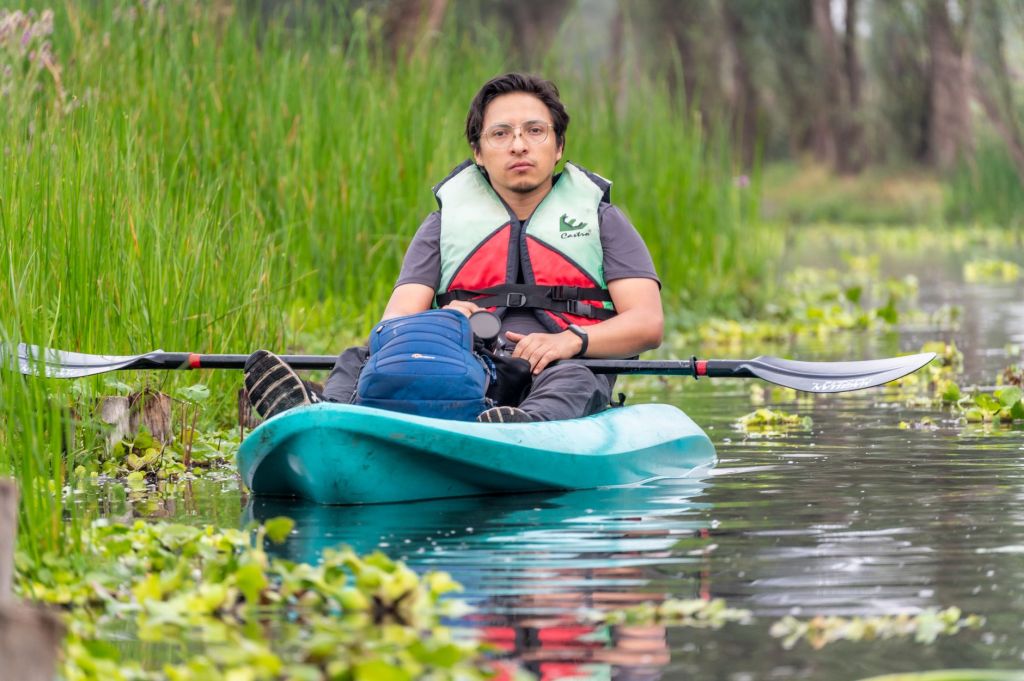
    The best guided kayak tour on Hilton Head Island, South Carolina for most visitors is the 2-hour nature tour on Broad Creek with Outside Hilton Head from Shelter Cove Marina — about $45 to $55 per adult, with dolphins, marsh birds, and a naturalist guide, and no experience needed. For a smaller, quieter paddle, try Saltmarsh Paddle Tours or Kayak Hilton Head, both in the $40 to $45 range.

    Kayaking is how you see the Lowcountry at water level: spartina marsh, oyster beds, and creeks tour boats cannot enter.

    Why is kayaking so good on Hilton Head?

    The island is ringed by tidal salt marsh, not open ocean, so most paddling is in protected creeks with little wake and a lot of wildlife.

    • Dolphins live in Broad Creek and Skull Creek year-round
    • More than 250 bird species use the marsh — egrets, herons, osprey, and pelicans are common
    • Guides time routes with the tide, so you are not fighting the current both ways

    What are the best guided kayak tours?

    1. Best all-around: Outside Hilton Head — Broad Creek Nature Tour

    • Price: about $45 for a single, about $75 for an adult plus child in a double, about $90 for two adults in a double; listed at $55 per adult on some booking platforms
    • Duration: 2 hours
    • Departs: Shelter Cove Marina, 1 Shelter Cove Lane, mid-island

    The island’s longest-running outfitter starts with a paddle clinic, then leads you into Broad Creek’s marsh channels. Naturalist guides point out dolphins and oyster rakes and explain island history. Children 12 and under must ride in a double with an adult. Outside also runs a 4.5-hour Outback trip to Page Island (about $85 adults, $65 children) and full-moon tours (about $55 adults, $40 children).

    2. Best for dolphins: Kayak Hilton Head, Broad Creek

    • Price: about $41 to $45 per adult
    • Duration: 2 hours
    • Departs: 11 Simmons Road, off Broad Creek

    A focused operation built around dolphin encounters in Broad Creek, at a respectful distance. Tours run year-round, and the sheltered launch helps first-timers. A seasonal Pinckney Island trip (about 2.5 hours, about $65 adults, $45 children, minimum group applies) suits paddlers who want refuge scenery.

    3. Best small, local feel: Saltmarsh Paddle Tours

    • Price: about $45 single, about $80 tandem
    • Duration: about 2 hours
    • Departs: 101 Marshland Road

    Family-owned, with guides who have deep Lowcountry roots, Saltmarsh runs tours several times a day in season. Expect a slower pace and more storytelling. In summer, its Tuesday fireworks paddle times the return to the Shelter Cove fireworks — book ahead.

    4. Best sunrise or sunset: Island Head — Skull Creek

    • Price: from about $40 per person
    • Duration: about 1.5 to 2 hours
    • Departs: Hilton Head Harbor area, north end

    Golden hour is calmer, cooler, and often best for dolphins and birds. Skull Creek is a little more open than Broad Creek, so the operator recommends single kayaks for participants 12 and older, and anyone under 18 needs a parent or guardian to sign paperwork.

    5. Best easy morning: Lowcountry Watersports — Kayaking and Coffee

    • Price: about $49 per person
    • Duration: 1.5 hours
    • Departs: 86 Helmsman Way, Broad Creek

    A gentle morning paddle that starts with coffee and a paddle clinic, in protected Broad Creek water. Minimum age is 5 in a tandem; single kayakers generally need to be 14+ with an adult in the party.

    Where will you paddle?

    • Broad Creek: The default. Sheltered, dolphin-rich, home to most outfitters. Best for beginners.
    • Skull Creek: North-end waterway by Pinckney Island. Beautiful at sunrise and sunset, but tides and boat traffic mean a guide helps.
    • Palmetto Dunes lagoons: About 11 miles of flat, boat-free lagoons. Easiest self-guided option, rentals through Hilton Head Outfitters.
    • Jarvis Creek: Quiet water near Jarvis Creek Park, used by Coastal Discovery Museum tours (typically Tuesday to Thursday at 10 a.m., about $32 adults, $28 children 5–12).
    • Pinckney Island Refuge: Superb wildlife, no facilities, trickier tides. Go guided.

    A south-end note: a few launches and restaurants sit inside Sea Pines Resort. Day visitors pay a gate fee of about $9–10 per car, valid all day, payable by cash or card. Many Sea Pines Resort restaurants reimburse or credit the fee when your check tops $30 — keep your gate pass and mention it to your server.

    Should you take a tour or rent on your own?

    Take a guided tour if this is your first paddle here, you want wildlife interpretation, or you do not want to plan around tides. Tours include kayak, paddle, and life jacket, and run about $40 to $55 per person.

    Rent on your own if you have paddled tidal water before. Typical 2026 rates:

    • Single: about $30 to $35 for 2 hours (Saltmarsh lists $35 for 2 hours, $15 per extra hour)
    • Tandem: about $45 to $60 for 2 hours
    • Half-day to full-day singles generally run $35 to $60 across the island

    Do not rent for open sound water — Calibogue Sound or Port Royal Sound — without local advice. Wind and tide there change faster than they look from shore.

    When is the best time to go?

    Early morning is calmest and best for wildlife; sunset is a close second. Midday summer paddles are hot. March to May and September to November are the sweet spot. Book the time your operator recommends that day — tide matters more than the clock time.

    Bring quick-dry clothing (not cotton), water shoes for oyster shells, sunscreen, a hat, and a full water bottle.

    Can kids kayak on Hilton Head?

    Yes — Broad Creek and the Palmetto Dunes lagoons are made for it. Most operators require children 12 and under in a double with an adult, set a minimum age around 5 for tandems, and require life jackets for everyone. Pick a morning tour of 2 hours or less.

    For more time on the water, see our guides to the best dolphin cruises in Hilton Head and sunset cruises in Hilton Head, or fit a paddle into our 3-day Hilton Head itinerary for first-timers.

    FAQ

    How much does kayaking in Hilton Head cost?

    Guided tours run about $40 to $55 per person for 1.5 to 2 hours, gear included. Rentals run about $30 to $35 for a single for 2 hours and about $45 to $60 for a tandem for 2 hours.

    Do you need experience for a guided tour?

    No. Broad Creek and lagoon tours are designed for beginners and start with a short paddle clinic.

    Will we see dolphins while kayaking?

    Often, especially on Broad Creek and Skull Creek. Dolphins live here year-round and guides know feeding areas, but sightings are never guaranteed — and you must keep distance and never chase or feed them.

    What is the best tour for families with young kids?

    Outside Hilton Head and Kayak Hilton Head are the easiest starts: sheltered water, adult-plus-child doubles, and a 2-hour limit. For very young children, the Palmetto Dunes lagoons by rental can be even calmer.

    Is kayaking safe in Hilton Head creeks?

    Yes, with normal precautions: wear the life jacket, follow your guide, watch the weather, and respect tides and oyster beds. Alligators live in freshwater lagoons and ponds — admire from a distance and never feed them.

    When should we book?

    Book 2 to 4 days ahead in summer for morning and sunset slots, and a week ahead for fireworks and full-moon tours, which have very limited dates.

    October 9, 2026

  • Sunset Cruises: 7 Best Evening Sails in Hilton Head

    The best all-around sunset cruise on Hilton Head Island, South Carolina is Vagabond Cruise’s Sunset Dolphin Cruise from Harbour Town — about $50 for 90 minutes, with dolphins in Calibogue Sound at sunset. Adults-only? Choose the Salty Dog cruise from South Beach Marina (about $45, 21+). Splurge pick: the two-hour Sunset Dinner Cruise on the Spirit of Harbour Town (about $90).

    Sunset is the best hour to be on the water here: the heat breaks, the marsh turns gold, and dolphins feed in the shallows. The seven options below differ by boat, crowd, and whether dinner or drinks are part of the plan.

    1. Best all-around: Vagabond Sunset Dolphin Cruise, Harbour Town

    • Price: from about $49.95 per person
    • Duration: 90 minutes
    • Departs: Harbour Town Yacht Basin, under the lighthouse, Sea Pines

    The classic choice if you do only one evening cruise. A large, stable boat sails Calibogue Sound toward Daufuskie Island, with live narration and snacks and drinks to buy on board. Dolphin sightings are the operator’s specialty — its daytime cruises guarantee them. Works for couples, families, and grandparents alike.

    2. Best adults-only night out: Salty Dog Cruise, South Beach Marina

    • Price: about $45 per person
    • Duration: about 90 minutes
    • Departs: South Beach Marina, Sea Pines
    • Age limit: strictly 21 and over

    A floating happy hour, not a nature lecture. It sails on a 63-foot powered catamaran with upper and lower decks, a full bar, and a galley — and the bar and galley open about an hour before departure, so arrive early. Expect music, drinks in hand, and dolphins in the sound. Never book it for kids or teens: it is adults only, every sailing.

    3. Best special occasion: Sunset Dinner Cruise, Spirit of Harbour Town

    • Price: about $89.95 for adults, about $50 for children
    • Duration: about 2 hours
    • Departs: Harbour Town, Sea Pines

    The upgrade if the cruise is the evening’s main event. The Spirit of Harbour Town is climate-controlled with a shaded top deck, and dinner is a three-course meal by chefs from The Sea Pines Resort, served at your own table. Bar drinks cost extra. Book early for anniversaries and celebrations — it sells out first in summer.

    4. Best real sailing: Stars & Stripes Sunset Sail, Harbour Town

    • Price: from about $70 per person
    • Duration: about 2 hours for the sunset sail
    • Departs: Harbour Town Yacht Basin, Sea Pines

    An authentic America’s Cup 12-meter racing yacht — real sailing, engine off and boat heeling in the Calibogue Sound breeze. Help work the winches and take the helm, or watch the crew. Far fewer passengers than the big boats. Choose a powered cruise if anyone dislikes a boat that leans.

    5. Best value for families: Dolphin Seafari Sunset Cruise, Shelter Cove

    • Price: about $45 for adults and teens, about $30 for children ages 3–12
    • Duration: 90 minutes
    • Departs: Shelter Cove Harbour & Marina, mid-island

    A 30-foot covered pontoon that sits low on the water, so dolphins surface close to eye level — a thrill for kids. Bench seating, shade, and a restroom on board. Bonus: Shelter Cove is not inside Sea Pines, so there is no gate fee, and parking and dinner sit right at the marina.

    6. Best small-group sail: Anchors Away Sailing, Skull Creek

    • Price: public seats roughly $140–$167 per person; private sails from roughly $445 per group
    • Duration: 2 hours
    • Departs: Safe Harbor Skull Creek, north end of the island

    Groups are tiny — six guests at most — in Port Royal Sound, often the island’s best sailing water. Help trim the sails or relax and watch for dolphins and stingrays, with views toward Pinckney Island and Parris Island. Pricier per person; hard to beat per memory.

    7. Best social catamaran: Island Head Sailing, Rosé, Broad Creek

    • Price: golden-hour sail about $99 per person
    • Duration: about 2 hours
    • Departs: Broad Creek Marina, mid-island

    A 36-foot sailing catamaran built for a social evening: wide deck, soft seating, appetizers, and rosé as the light fades, for up to about 24 guests. Livelier than a private charter, more relaxed than a dinner cruise. On summer Tuesdays, its fireworks sail (about $89) times the Shelter Cove fireworks show.

    What should you know before you book a sunset cruise?

    • The Sea Pines gate fee. Harbour Town and South Beach sit inside Sea Pines Resort. Non-guests pay about $9–10 per car, valid all day, by cash or card. Many Sea Pines Resort restaurants reimburse or credit the fee when your check tops $30 — keep your gate pass and mention it to your server.
    • Departure times move with the sun. Check your confirmation and be at the dock 30–45 minutes early; add time for the Sea Pines gate and Harbour Town parking in summer.
    • Book ahead. Dinner and weekend sunset slots often sell out days ahead in summer.
    • Bring a light layer and sunscreen. The breeze after sunset feels cool, and the first hour is full sun.
    • Weather is the captain’s call. If the operator cancels for storms, you can usually rebook or get a refund.

    Which sunset cruise should you choose?

    • First trip, mixed group: Vagabond Sunset Dolphin Cruise
    • Adults-only date or friends’ night: Salty Dog Cruise
    • Anniversary or celebration dinner: Spirit of Harbour Town Sunset Dinner Cruise
    • You actually want to sail: Stars & Stripes, or Anchors Away for a tiny group
    • Young kids and a budget: Dolphin Seafari at Shelter Cove
    • Friends who want drinks and a scene: Island Head’s Rosé catamaran

    For daytime options, see our guide to the best dolphin cruises in Hilton Head, and our 3-day Hilton Head itinerary for first-timers for where a sunset cruise fits.

    FAQ

    How much does a sunset cruise in Hilton Head cost?

    Most group cruises run $45–$50 per person. Dinner cruises are about $90, sailing yachts about $70 and up, and private sails several hundred dollars per boat.

    Are sunset cruises good for kids?

    Yes — Vagabond and Dolphin Seafari welcome children and have restrooms and shade. The exception is the Salty Dog Cruise: strictly 21 and over.

    Do you see dolphins on sunset cruises?

    Very often. Bottlenose dolphins live here year-round and feed actively in the evening. No sailing can promise them, but sunset is a strong time to look.

    What time should we arrive?

    Be at the marina 30–45 minutes early. From Sea Pines, add time for the gate and tight Harbour Town parking.

    What happens if it rains?

    If the operator cancels for weather, you can usually rebook or get a refund. An afternoon shower does not mean the evening sailing is off.

    Can we eat before or after instead of the dinner cruise?

    Yes. Harbour Town, South Beach, and Shelter Cove all have waterfront restaurants by the docks. In Sea Pines, many restaurants credit your gate fee on checks over $30 — keep the pass and ask.

    October 6, 2026

  • Where to Stay in Hilton Head: Areas Explained

    The best area to stay on Hilton Head Island, South Carolina depends on your trip: Sea Pines for the classic manicured-resort experience (Harbour Town, gated, premium prices), Palmetto Dunes for mid-island convenience with top golf and tennis, Coligny / South Forest Beach for walkable beach-town energy on a moderate budget, Shelter Cove for marina views and summer fireworks, and Folly Field for quieter, better-value stays near great beach access. First-timers who want the postcard version should start with Sea Pines or Palmetto Dunes.

    Hilton Head isn’t one place — it’s a 12-mile-long island of distinct plantations, resorts, and neighborhoods, each with its own beaches, gates, price points, and personality. Where you stay shapes your trip more than almost any other decision, so here’s the honest breakdown.

    Sea Pines Resort — the classic

    The island’s south-end flagship: 5,000 gated acres with Harbour Town (lighthouse, marina, shops), South Beach, three golf courses including Harbour Town Golf Links (home of the RBC Heritage), miles of bike trails, and the Sea Pines Forest Preserve. Staying here means villas, resort hotels, and vacation rentals inside the gates — plus a vehicle gate fee (~$9–10 cash) for every car that enters if you’re visiting from outside.

    Best for: First-timers who want the definitive Hilton Head experience, golfers, families who like everything in one place. Budget: Premium — expect the island’s highest nightly rates. Know before you book: The gates mean security and serenity, but also that popping out for dinner elsewhere involves the gate routine.

    Palmetto Dunes — the all-rounder

    Mid-island and purpose-built for vacation: three championship golf courses, one of the island’s top tennis/pickleball centers, an 11-mile lagoon system (kayak-friendly), and three miles of beach. Lodging ranges from the Marriott, Omni, and Hilton resorts to villa rentals. Shelter Cove Harbour — the marina village with summer concerts and Tuesday fireworks — sits at its doorstep.

    Best for: Families and groups who want resort amenities without Sea Pines prices, golf trips, tennis players. Budget: Mid to upper — resort hotels run full-service rates, but villa rentals can be reasonable, especially off-season. Know before you book: It’s a planned resort, not a town — you’ll drive or bike everywhere, but everything is close.

    Coligny / South Forest Beach — the beach town

    The island’s closest thing to a downtown beach scene. Coligny Beach Park (free parking, splash pad, lifeguards) anchors it, with Coligny Plaza’s shops, bars, and casual restaurants a barefoot walk away. Lodging is mostly condos, small hotels, and vacation rentals — generally the best value among the beachfront areas, and the only area where you can walk to dinner, drinks, and the sand. Staying here also puts you walking-distance from the fall event cluster at Coligny Plaza and Lowcountry Celebration Park — see the events calendar for dates.

    Best for: Budget-conscious travelers, young couples, anyone who wants to park the car and walk all week. Budget: Moderate — the island’s best price-to-location ratio. Know before you book: It’s livelier and denser than the resort plantations; if your dream is silence, look at Folly Field instead.

    Shelter Cove — the marina

    Technically part of the Palmetto Dunes area, Shelter Cove deserves its own mention: a harborfront village of restaurants, shops, and waterfront condos wrapped around a marina. Summer brings outdoor concerts and a weekly fireworks show (Tuesdays) that you can watch from your balcony. The vibe is festive without being rowdy.

    Best for: Couples, food-focused travelers, anyone who’d rather watch boats than golf. Budget: Mid to upper for harbor-view condos. Know before you book: You’re a short drive from the beach rather than on it — fine if the marina is the point, less ideal for dawn-patrol surfers.

    Folly Field — the quiet value pick

    Mid-island’s residential beach neighborhood: no gates, no resort bustle, just beach houses, condos, and one of the island’s most underrated stretches of sand. Folly Field Beach Park has parking, restrooms, and a fraction of Coligny’s crowds. You’re central to everything — 10 minutes from Sea Pines, 10 from the north-end nature.

    Best for: Repeat visitors, families who’ve done the resort thing, travelers who prioritize beach time over amenities. Budget: Moderate to budget-friendly — some of the island’s best rental values. Know before you book: Dining and shopping are a drive away; this is a stay-in-and-grill kind of neighborhood.

    Port Royal / Hilton Head Plantation — the north end

    The island’s quiet northern reaches: gated communities with golf, tennis, and the island’s most residential feel. Port Royal Sound offers spectacular sunsets and dolphin activity; the north-end beaches (Burkes Beach, near Chaplin Park) are local favorites.

    Best for: Golfers, snowbirds, travelers who’ve been before and want the local side. Budget: Mid to premium. Know before you book: You’re farthest from the south-end attractions (Harbour Town is a 20-minute drive); the tradeoff is tranquility.

    Quick comparison

    AreaVibeBeach accessBudgetBest for
    Sea PinesClassic resort, gatedExcellent (private)$$$First-timers, golfers
    Palmetto DunesResort amenities, centralExcellent$$–$$$Families, groups
    Coligny / S. Forest BeachWalkable beach townExcellent (public)$$Value, walkability
    Shelter CoveMarina villageShort drive$$–$$$Couples, foodies
    Folly FieldQuiet residentialGreat, uncrowded$–$$Beach purists, value
    Port Royal / North endResidential, tranquilGood$$–$$$Golfers, repeat visitors

    Should I book a hotel or a vacation rental?

    For stays of 4+ nights, vacation rentals (condos and villas) usually win on value — kitchens cut food costs dramatically, and weekly rates drop the per-night price. For 1–3 nights, hotels are simpler. Either way, book direct with the resort or through a major platform with free cancellation; the island’s peak weeks (July, RBC Heritage week in April, holidays) sell out months ahead, while September–November and February–March bring the year’s best deals.

    A note on honesty: This guide doesn’t take paid placement — when booking links appear on this site, they’re standard affiliate links that cost you nothing and keep the lights on. Our area picks are based on where we’d send a friend.

    FAQ

    What is the best area for first-time visitors? Sea Pines for the full postcard experience, Palmetto Dunes for the best all-around value with resort amenities. Coligny if you’d rather walk everywhere and spend less.

    Where do locals stay when family visits? Folly Field and the north-end communities — quieter, better value, and central. Locals also steer visiting family toward shoulder season (September–October) for the best rates.

    Is it worth paying extra to be inside Sea Pines? If Harbour Town sunsets, the lighthouse, and South Beach are high on your list — yes, the gate fee adds up otherwise. If you’ll spend most days at Coligny or exploring, save the money.

    How far in advance should I book lodging? Peak summer and holiday weeks: 3–6 months ahead. Shoulder season: 4–8 weeks is usually fine. Last-minute deals exist in winter but inventory is thinner.

    Are there adults-only options? A few boutique inns and B&Bs cater to couples, and the north-end communities skew quieter. Most large resorts are family-oriented by design — that’s the island’s brand.

    What’s the cheapest month to visit? January and February have the lowest rates (and empty beaches, if you don’t mind 50-degree water). For warm water and deals, target late September through October.

    October 1, 2026

  • Daufuskie Island Day Trip from Hilton Head

    A Daufuskie Island day trip is the best day trip from Hilton Head Island, South Carolina — a car-free island of 800 year-round residents with Gullah heritage sites, artisan studios, a rum distillery, and empty beaches, all explored by golf cart. Go with the guided history tour (about $135 per person, 4.5 hours, boat and narrated golf-cart tour included) if you want the stories without the logistics, or take the round-trip ferry (about $42–60) and rent your own golf cart for maximum freedom.

    Daufuskie is only a few miles across the water, but it feels like a different century. No traffic lights, no chain stores, dirt roads shaded by live oaks draped in Spanish moss. It’s the trip visitors talk about for years afterward — the day the vacation became an adventure.

    Ferry vs. guided tour: which should I choose?

    Guided history tour (~$135/person, ~4.5 hours). You board a boat on Hilton Head, cross to Daufuskie, and climb into a golf cart with a guide who narrates the island’s history — Gullah culture, the cotton plantation era, the oyster industry boom and bust, and the modern artisan renaissance. It’s the island’s highest-rated tour, and the format solves Daufuskie’s main challenge: knowing what you’re looking at. Without a guide, the historic sites are easy to drive right past.

    DIY: round-trip ferry (~$42–60/person) + golf cart rental. The ferry crossing takes 30–60 minutes depending on departure point, and you get several hours on the island. Renting a golf cart (book in advance — they’re the island’s taxis and they sell out) lets you set your own pace: beach first, lunch when you’re hungry, studios when the mood strikes. Cheaper for couples, and better if you prefer wandering to being narrated at.

    Bottom line: History buffs and first-timers should take the guided tour. Independent types, repeat visitors, and families with unpredictable schedules should DIY. Either way, this is a full 5–6 hour commitment door to door — don’t schedule it on departure day.

    How do I get to Daufuskie Island?

    Only by water — there are no bridges and no public car ferry for day-trippers. Passenger ferries depart from Hilton Head and nearby Bluffton; the crossing runs 30 minutes to about an hour depending on the route. Check your specific operator’s schedule the night before — departure times shift with season and demand, and the last return boat is non-negotiable. Miss it and you’re spending the night.

    What is there to do on Daufuskie?

    Gullah heritage sites. Daufuskie is one of the best places in the Lowcountry to encounter Gullah Geechee culture — the distinct traditions of the enslaved West Africans brought to work the sea-island plantations, preserved here by generations of isolation. The Mary Fields School (where a young Pat Conroy taught in the 1960s — the experience became his memoir The Water Is Wide) and the First Union African Baptist Church, built in the 1880s, are the essential stops. The guided tour covers these properly; DIY visitors should read up first or the significance won’t land.

    Artisan studios. The island’s modern identity is handmade: visit working studios for pottery, ironwork, jewelry, and the famous Daufuskie indigo. Buy something — it’s the island’s economy.

    Daufuskie Island Distillery. Craft rum and spirits in a scenic pond-side setting. Tastings and tours run regularly; it’s a pleasant midday break even if spirits aren’t your thing.

    Old Daufuskie Crab Company. The island’s beloved waterfront restaurant — open-air, dockside, live music on weekends. The shrimp tacos and crab cakes are the order. This is your lunch stop regardless of which tour option you chose.

    Bloody Point Beach. Three miles of undeveloped Atlantic beach on the island’s south end. No condos, no crowds, often no one at all. Bring everything you need — there are no facilities.

    Haig Point Lighthouse. The historic 1873 lighthouse anchors the island’s north end near the private Haig Point community. Views and photo ops; access to the surrounding area can be restricted, so check locally.

    What should I bring?

    • Cash and cards — most places take cards now, but cash is king at farm stands and small studios
    • Sunscreen, hat, bug spray — the marsh breeds mosquitoes with ambition, especially at dawn and dusk
    • Swimsuit and towel if Bloody Point Beach is on your agenda
    • Snacks and water — dining options are few and keep island hours; don’t assume anything is open
    • A charged phone — for photos and the map, though part of Daufuskie’s charm is how little your phone matters here

    Tips from the golf cart

    Rent the cart for the full day even if you think you’ll only need a few hours — the island is bigger than it looks (about 8 square miles) and the good stuff is spread out. Drive slowly: the roads are shared with walkers, bikers, horses, and the occasional armadillo. And fill up on the island’s pace — Daufuskie rewards dawdling. The visitors who love it most are the ones who stopped “just to look” and stayed an hour.

    FAQ

    How long does the ferry take? 30 minutes to about an hour each way, depending on your departure point and operator. The guided tour’s boat ride is part of the 4.5-hour total.

    Can I bring my car to Daufuskie? Not as a day visitor, practically speaking. The island is functionally car-free for tourists — golf carts, bikes, and your feet are the transport. That’s the point.

    Is Daufuskie good for kids? Yes, with caveats. Kids love the golf carts, the beach, and the crab restaurant. The history-heavy guided tour can lose younger kids — families often do better with the DIY ferry + cart combo and a beach-first plan.

    Are restaurants open year-round? The main spots operate year-round but reduce hours off-season. Always check hours before you go — island businesses keep island schedules.

    What happens if I miss the last ferry? You stay overnight. There are limited inns and rentals on the island. Set a phone alarm for 30 minutes before departure.

    Is the guided tour worth $135? For first-timers, yes — the historical narration transforms a pretty island into a meaningful one, and the logistics are handled. Repeat visitors who know the drill get better value from the ferry + cart DIY route.

    October 1, 2026

  • Coligny Beach: Complete Visitor Guide

    Coligny Beach Park on Hilton Head Island, South Carolina is the island’s main public beach — and the easiest beach day you’ll have all trip. Parking is free, the lot sits 700–900 feet from the sand, and the park has restrooms, outdoor showers, a kids’ splash pad, seasonal lifeguards, and chair-and-umbrella rentals, all steps from the shops and restaurants of Coligny Plaza. Go on a weekday morning for the thinnest crowds.

    If you only visit one beach on Hilton Head, make it this one — especially on your first trip. It’s not the prettiest beach on the island (that honor probably goes to the quieter south-end strands), but it’s the most convenient, and convenience is what makes or breaks a beach day with kids, grandparents, or a cooler full of supplies.

    Where is Coligny Beach and how do I get there?

    Coligny Beach Park sits at 1 Coligny Circle, Hilton Head Island, SC 29928, at the end of Pope Avenue on the island’s south shore, in the Forest Beach area. It’s the rare Hilton Head beach you can actually navigate to without local knowledge — just follow the signs for Coligny Plaza, the island’s main shopping district, and the beach is right behind it.

    Parking: Free, in large lots near the corner of Pope Avenue and South Forest Beach Road. From your car it’s a 700–900 foot walk to the park entrance along paved paths (easy cart-pulling). The catch: the lot fills up on summer weekends and holidays, and when it’s full, security closes it until spaces open — they won’t let you wait in line. Arrive before 10 AM on peak days or come by bike; there are bike racks in the park.

    What facilities does Coligny Beach Park have?

    • Restrooms and changing areas — clean, centrally located near the boardwalk entrance
    • Outdoor showers and foot rinses — right off the sand for the ride home
    • Splash pad / fountain plaza — the circular fountain at the boardwalk entrance is effectively a kids’ magnet; plan extra time
    • Wide boardwalk with beach matting — wheelchair-accessible path over the soft sand down toward the water
    • Covered seating, gazebos, and swings — including the famous adult swings facing the ocean
    • Seasonal lifeguards — posted during peak season
    • Beach rentals — chairs, umbrellas, and bikes available seasonally from onsite vendors
    • Free WiFi in the park area

    Hours: 6 AM–9 PM daily in peak season; 6 AM–6 PM in winter. The beach itself follows the island’s standard rules (no glass, no smoking on the beach, dogs on leash with restrictions by season — check current town ordinances before bringing yours).

    When is the best time to visit Coligny Beach?

    Best: Weekday mornings, 8–11 AM. Parking is easy, the sand is freshly groomed, and the light is perfect. Busiest: Summer weekends 11 AM–3 PM — expect a full lot and a lively, crowded scene. Best-kept secret: September and October weekdays, when the water is still warm, the crowds are gone, and you might share a quarter-mile of sand with a dozen people.

    Check the tide chart: at low tide the beach nearly doubles in width and the sand near the waterline packs hard — ideal for biking and long walks. At high tide in summer, the dry-sand real estate gets competitive.

    Visiting in mid-October? Coligny Plaza hosts Rock N Ribs on Sunday, October 18 (3–7 PM, with the barbecue served 3–5 PM), and Lowcountry Celebration Park next door hosts the free Symphony Under the Stars concert on Friday, October 16 — check the events calendar for what’s on during your visit.

    Where do I eat near Coligny Beach?

    You don’t even need to leave the sand area. Coligny Plaza — the open-air shopping district directly behind the park — has the island’s densest cluster of casual restaurants: seafood shacks, pizza, ice cream, coffee, and beach bars with live music. It’s touristy, yes — but after four hours in the salt water, a grouper sandwich eaten in a sandy swimsuit is exactly right. For something a step up, the Forest Beach area around Coligny has several sit-down seafood restaurants within a 10-minute walk.

    Is Coligny Beach good for kids?

    It’s the best beach on the island for young kids, full stop. The splash pad buys you an extra hour, the bathrooms are close, the surf is gentle, the sand is soft, and if someone melts down, the car (and ice cream) is a short walk away. The seasonal lifeguards add peace of mind. Bring a shade tent if you have toddlers — the rental umbrellas go fast.

    What if I want a quieter beach?

    Coligny is popular, which means it’s never empty in season. For fewer people, try Burkes Beach (a few minutes north, near Chaplin Park — locals’ pick for shelling and biking, with a quieter parking lot) or Driessen Beach (family-oriented, with a playground and picnic pavilions, calmer scene). Both are short drives or easy bike rides away.

    FAQ

    Is parking really free at Coligny Beach? Yes — the main lots are free. There’s also a paid lot nearby as overflow. But free doesn’t mean unlimited: on busy summer days the free lot fills by late morning.

    Are there lifeguards at Coligny Beach? Yes, seasonally — typically late spring through early fall. Swim near the guarded areas and check flag warnings.

    Can I bring my dog to Coligny Beach? Dogs are allowed but regulated by season and time of day under town ordinance (generally leashed, with restricted hours in peak season). Check the Town of Hilton Head Island’s current beach rules before you go — they change.

    How much are chair and umbrella rentals? Seasonal vendors typically charge roughly $40–50 per day for a two-chair-and-umbrella setup. Arrive before noon in summer; they sell out.

    Is Coligny Beach wheelchair accessible? Yes — beach matting extends from the boardwalk toward the water, and the park has accessible restrooms, parking, and seating. Free beach wheelchairs are also available (reserve ahead in season).

    What’s the water temperature? It ranges from the low 50s (°F) in February to the mid-80s in August. Comfortable swimming runs roughly May through October; September is the sweet spot of warm water and thin crowds.

    October 1, 2026

  • 3-Day Hilton Head Itinerary for First-Timers

    First trip to Hilton Head Island, South Carolina? Spend Day 1 biking the island and settling into Coligny Beach, Day 2 on a Daufuskie Island day trip plus an evening in Harbour Town, and Day 3 on a morning dolphin cruise or kayak tour with a lazy beach afternoon to close it out. This itinerary hits the island’s greatest hits without rushing — and leaves room to just sit on the sand, which is half the point.

    Three days is the sweet spot for a first visit: enough to see the island’s different sides (beach town, resort playground, wild Lowcountry) without needing a second mortgage on your vacation budget. Everything below assumes you’re staying anywhere on the island — all of it is within a 20-minute drive or bike ride. If you’re coming in the fall, check the events calendar before you lock your three days — October weekends stack up fast, with the Bluffton Street Fest and the Gullah Food Festival both landing on Saturday, October 17.

    Day 1: Bikes, the beach, and finding your bearings

    Morning: Rent bikes and ride. Hilton Head has over 60 miles of flat, paved, shaded bike paths — biking isn’t a workout here, it’s transportation. Rent from any of the dozen-plus rental shops (most deliver to your door; multi-day rentals run roughly $40–60 per bike for the week, less for a single day). Ride the beach at low tide — the hard-packed sand near the waterline is one of the island’s great simple pleasures — or take the path system through the Sea Pines Forest Preserve, where elevated boardwalks wind past lagoons full of alligators, herons, and turtles.

    Midday: Coligny Beach. Park the bikes and claim your spot at Coligny Beach Park — the island’s main public beach, with free parking, restrooms, outdoor showers, and a splash pad the kids will not leave voluntarily. It’s also the most amenity-rich beach on the island, which matters on day one when you’re still figuring out the drill. Read our full Coligny Beach guide before you go.

    Lunch: Walk across to Coligny Plaza — dozens of casual spots within a five-minute stroll. Grab fish tacos or a shrimp po’boy and eat with sand still on your feet.

    Afternoon: Keep it loose. Nap, swim, read. If you’re restless, ride to the Coastal Discovery Museum at Honey Horn (free grounds, small admission for exhibits) for a dose of Gullah history and Lowcountry ecology.

    Evening: Shelter Cove. Head to Shelter Cove Harbour for dinner on the water — it’s the island’s prettiest marina village, with a harborfront promenade, live music in season, and a Tuesday-night fireworks show all summer long. If your trip includes a Tuesday, plan dinner here.

    Day 2: Daufuskie Island + Harbour Town

    Full day: Daufuskie Island. This is the day trip that separates tourists from travelers. Daufuskie is a car-free island of about 800 full-time residents across the sound — no traffic lights, dirt roads, Gullah heritage sites, artisan studios, a rum distillery, and Bloody Point Beach, which you’ll likely have to yourself. You have two ways to do it: a guided history tour (about $135 per person, 4.5 hours, departs from Hilton Head) or the DIY ferry (round-trip roughly $42–60 per person) plus a golf cart rental. Either way, plan on 5–6 hours door to door. Eat lunch at the Old Daufuskie Crab Company. Full details in our Daufuskie Island day trip guide.

    Evening: Harbour Town. Back on Hilton Head, drive into Sea Pines for golden hour at Harbour Town — the island’s most postcard-perfect spot. Climb the Harbour Town Lighthouse (114 steps, small admission, worth it for the view), watch the yachts come in, and have dinner at one of the harbor restaurants. In summer, Harbour Town hosts outdoor concerts most nights. Note the Sea Pines vehicle gate fee (about $9–10 cash per car) if you’re not staying there.

    Day 3: Water morning, beach afternoon

    Morning: Dolphin cruise or kayak tour. Book the 90-minute morning dolphin cruise (about $40 per person, guaranteed sightings) or a 2-hour guided kayak eco-tour through the salt marsh (about $45–55). Morning has the calmest water and the most active dolphins — including strand feeding, the coordinated beach-rush hunting technique this area is famous for. Our dolphin cruise guide breaks down every option.

    Afternoon: Your beach, your rules. By day three you have opinions about beaches — go back to your favorite, or try a quieter one. Burkes Beach (near Chaplin Park, locals’ favorite for biking and shelling) or Driessen Beach (playground, picnic pavilions, calmer scene) are both easy upgrades from Coligny if you want fewer crowds.

    Farewell dinner: Make it count. Hudson’s Seafood House on the Docks (Skull Creek waterfront, hushpuppies, sunset) or a splurge at one of the Sea Pines fine-dining rooms. Book ahead — the good tables go first.

    If you have a fourth day

    Add one of these, in order of how much locals recommend them: a round of golf (24+ courses on the island — the Sea Pines and Palmetto Dunes courses welcome visitors), the Pinckney Island National Wildlife Refuge (free, 14 miles of trails, alligators and painted buntings, bring bikes), or the Savannah day ferry (round-trip about $80, a full day in one of America’s prettiest cities).

    Practical tips for the whole trip

    • Getting around: You genuinely don’t need a car most days if you rent bikes. The island is 12 miles long and pancake-flat. For Daufuskie day and dinner runs, rideshares and the seasonal trolley fill the gaps.
    • Restaurant reservations: Book dinner 2–3 days ahead in peak season, especially waterfront spots. Lunch is almost always walk-in friendly.
    • Beach gear: Chair and umbrella rentals run seasonally at Coligny and other main beaches (roughly $40–50/day for a two-chair setup). Many rental homes include beach gear — check before you rent duplicates.
    • Tides matter. Low tide doubles the width of the beach and firms up the sand for biking. Check a tide chart each morning — it takes ten seconds and changes your day.

    FAQ

    Is 3 days enough for Hilton Head? For a first visit, yes — it covers the beach, a signature day trip, and the water. Golfers and slow travelers will want 5–7 days. The island’s 70%+ return-visitor rate exists because three days tends to create a repeat customer.

    What’s the best month to visit? April–May and September–October: warm water, thinner crowds, lower prices. June–August is peak (hot, busy, expensive). March brings the RBC Heritage golf tournament — electric atmosphere, premium prices.

    Do I need a car on Hilton Head? Not strictly. Bikes cover most of the island, and rideshares handle the rest. A car helps for grocery runs and the Daufuskie ferry departure point, but many visitors go car-free all week.

    Is Hilton Head good for kids? Extremely — calm surf, the Coligny splash pad, pirate ship cruises, dolphin tours, and miles of safe bike paths. It’s one of the most family-friendly beach destinations on the East Coast.

    How much should I budget per day? Excluding lodging: roughly $100–150 per person per day for food, one paid activity, and bike rental. A dolphin cruise ($40) plus casual meals keeps it well under that; golf and fine dining push it over.

    Can I do this itinerary in reverse? Sure — the days are modular. Just don’t put Daufuskie on your departure day (ferry timing is unforgiving) and check which day has the best morning weather for the water activity.

    October 1, 2026

  • Best Dolphin Cruises in Hilton Head (2026)

    The best dolphin cruise on Hilton Head Island, South Carolina is the 90-minute Ocean Dolphin Cruise with Vagabond Cruise out of Harbour Town — it runs about $40 per person, guarantees dolphin sightings, and heads past the headwaters of the Atlantic where the big pods feed. If you’d rather be on the water at golden hour, book the sunset dolphin cruise instead (around $50). Private charters for up to 6 guests start near $300 and are worth it for families or special occasions.

    Dolphin watching is the single most popular thing visitors do here, and for good reason: the waters around the island hold one of the densest resident populations of Atlantic bottlenose dolphins on the East Coast. These aren’t migrating animals you might glimpse if you’re lucky — they live here year-round, and the local crews know exactly where they feed. Almost every operator guarantees sightings, which tells you how reliable it is.

    What are the main types of dolphin cruises?

    Large-boat group cruises. The classic option. Vagabond Cruise has run out of Harbour Town since 1968 aboard an 82-foot two-level boat with restrooms, a snack bar, and indoor and outdoor seating. Trips run 90 minutes and start around $40 for adults, less for kids. The boat is big enough that small children and grandparents are comfortable, and the narration covers dolphins, local history, and landmarks like the Haig Point Lighthouse and Daufuskie Island. The tradeoff: you’ll share the deck with a lot of fellow passengers.

    Sunset cruises. Same waters, better light. The sunset dolphin cruise (also about 90 minutes, roughly $50 per person) times the return leg so you’re watching the sun drop behind the marsh while dolphins feed in the shallows. This is the one I’d pick for a date night or if you only do one cruise all trip. Book the earliest sunset slot in peak season — they sell out.

    Adults-only sunset cruise: the Salty Dog. If your group is all grown-ups, the Salty Dog Cruise out of South Beach Marina is the sunset pick. It’s strictly 21 and over, aboard a 63-foot catamaran with upper and lower decks, a full bar, and a galley serving real food and drinks (the bar opens an hour before departure, so the evening starts at the dock). The roughly 90-minute cruise loops through Calibogue Sound past Daufuskie Island and the Harbour Town Lighthouse with live narration from the captain, dolphins working the water, and the sun dropping over the marsh. Tickets run about $45 per person. It’s less a nature lecture and more a floating happy hour — in the best way.

    Private charters. A private boat for your group only, typically 1.5 to 3 hours, starting around $285–$340 for up to 6 guests. The captain customizes the route, you set the pace, and nobody else’s toddler is narrating over yours. Good operators run out of Shelter Cove and Broad Creek. For the per-person math, a group of six on a private charter often costs about the same as six individual sunset tickets — with a far better experience.

    Disappearing island tours. A few operators combine dolphin watching with a stop at a tidal sandbar locals call Disappearing Island (or Vanishing Island) — it only exists at low tide. You beach the boat, hunt for shells and sand dollars, wade in the shallows, and watch dolphins on the way. Usually about 2 hours and around $55 per person. Great pick for kids who’d get restless on a pure sightseeing cruise.

    Kayak dolphin tours. If you’d rather paddle than ride, guided kayak eco-tours through the salt marsh run about 2 hours and $45–$55 per person. You’ll get closer to the dolphins than any motorboat allows — they frequently surface within a few yards of kayaks — but it takes some arm work, and it’s weather-dependent.

    When is the best time of day for a dolphin cruise?

    Morning cruises (9–11 AM) have the calmest water and the most active feeding, which means more surface action — tail slaps, spy-hopping, and the famous “strand feeding,” where dolphins herd fish onto mud banks in a coordinated rush. It’s wild to watch and it’s a behavior researchers come here specifically to study.

    Afternoon cruises are warmer and fine, but the water gets choppier. Sunset cruises trade peak dolphin activity for atmosphere. Honestly, you can’t go wrong — but if your priority is maximum dolphin action, go morning.

    What should I know before booking?

    • The Sea Pines gate fee. Harbour Town sits inside the gated Sea Pines Resort. If you’re not staying in Sea Pines, there’s a vehicle entry fee of about $9–10 per car — good for the whole day, so pair your cruise with lunch and the lighthouse climb. Better yet, many Sea Pines Resort restaurants will reimburse your gate fee when your check tops $30 — keep your gate pass and mention it to your server, and the fee effectively folds into dinner. Arrive 45 minutes early; Harbour Town parking fills up.
    • Book ahead in summer. June through August cruises, especially sunset slots, routinely sell out days in advance. Spring and fall have more flexibility.
    • Bring sunscreen and a windbreaker. It’s cooler on the water than on the beach, even in July. Leave the big cooler at home — most boats prohibit outside coolers but sell drinks onboard.
    • Seasickness is rare but real. These are sheltered sounds and creeks, not open ocean — the water is calm. If you’re prone to motion sickness, the big stable boats (like Vagabond’s) are the safest bet, and the morning slot has the smoothest water.

    Which cruise is best for kids?

    For kids under 8, pick the big-boat daytime cruise: bathrooms, shade, snack bar, and room to move around. The disappearing island tours are the next-best kid pick because of the beach stop. I’d skip the kayak tours with kids under 10 unless they’re strong paddlers, and save the sunset cruise for when the little ones can stay charming past 8 PM.

    FAQ

    Are dolphin sightings really guaranteed? Most operators advertise guaranteed sightings, and they mean it — the resident dolphin population is large and the captains know the feeding grounds. In the rare event of a no-show, operators typically offer a free re-ride.

    Can you swim with the dolphins? No. These are wild animals, and federal law (the Marine Mammal Protection Act) prohibits harassing or feeding them. The cruises observe from a respectful distance — which, frankly, is close enough when a pod surfaces next to the boat.

    What is strand feeding? A hunting technique unique to a few places in the world, Hilton Head’s waters being one of them. Dolphins work as a team to push fish onto a mud bank, then slide up onto the bank themselves to grab them. Captains know the tides and spots where it happens most.

    How far in advance should I book? In peak summer, book sunset and weekend cruises 3–7 days ahead. Daytime weekday cruises can often be booked a day or two out. Off-season (November–February), walk-ups are usually fine.

    Is there shade on the boats? The large cruise boats have covered lower decks. Smaller charter boats and kayaks are fully exposed — bring a hat and reef-safe sunscreen.

    Do cruises run in winter? Yes, year-round. The dolphins don’t migrate, and winter cruises are quieter and cheaper. Dress warmly — the wind on the water in January is no joke.

    October 1, 2026

Blog at WordPress.com.

  • Subscribe Subscribed
    Island Vibes Hilton Head

    Have a WordPress.com account? Log in now.

  • Island Vibes Hilton Head
    View site in Reader
    Manage subscriptionsSign upLog in
    Report this content
    Collapse this bar